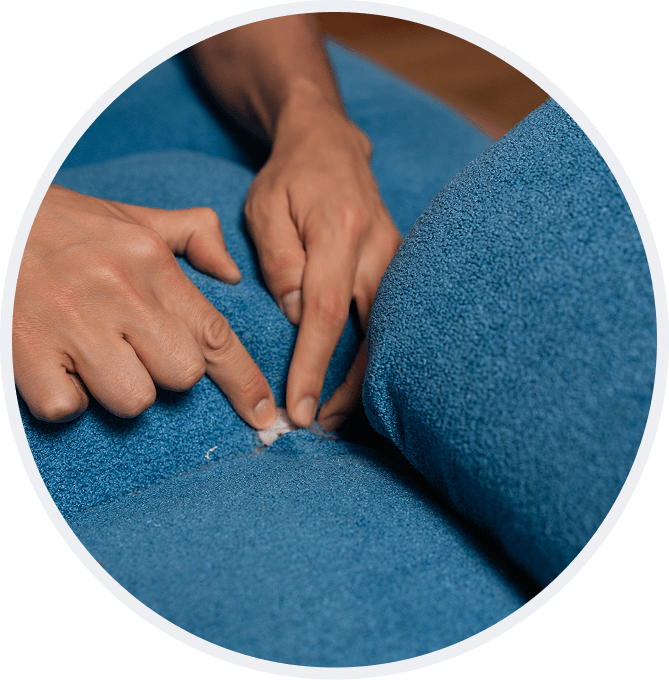
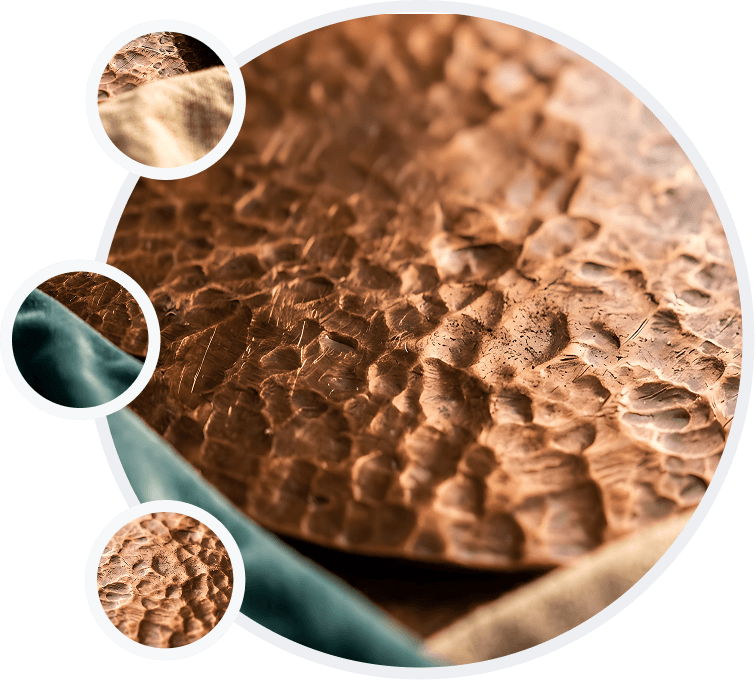
Leather furniture can develop scratches, cracks, tears, scuffs and other damage through everyday use. Professional leather repair focuses on restoring the affected area while matching the repair as closely as practical to the surrounding surface.
Common Leather Damage We Can Assess
Typical problems include surface scratches, worn areas, small tears, cracking, damaged edges and deterioration caused by repeated contact. The appropriate repair depends on the depth, location and condition of the leather.
Leather Repair vs Leather Cleaning
Cleaning removes surface contamination, but it cannot repair a tear or rebuild damaged material. In some cases, cleaning should be completed before repair so the technician can accurately assess the condition of the leather.
Colour Matching and Finish
A repair may need colour work to blend with the surrounding leather. Colouring and tinting can be considered where the damage has affected the appearance of the finish.
Furniture, Seating and Other Leather Items
Leather repair can be relevant to lounges, sofas, chairs, vehicle seating and commercial furniture. Each item is assessed according to its construction, finish and level of wear.
Repeated friction, sharp objects, pets, movement and general ageing can cause scratches, cracks or tears. Sun exposure and dryness can also contribute to deterioration in some leather finishes. Understanding the cause can help determine the most suitable repair approach.
The result depends on the type of leather, the extent of damage and the condition of the surrounding material. Minor surface damage may be more straightforward to address than extensive deterioration. An assessment provides a clearer indication of what can reasonably be improved.
Once repaired, the leather should be maintained according to its finish and manufacturer’s guidance. Appropriate cleaning and routine care can help reduce further build-up and wear.
A good repair is not simply about covering a damaged spot. Colour, texture and sheen all affect how the finished area looks next to the original leather. That is why repair and colour work often need to be considered together.
A small scratch or worn patch may not bother you at first, but repeated use can make it stand out. Cracks can also spread when leather becomes dry and continues to flex. Having damage looked at early can give you more options than waiting until the surface has deteriorated further.
If your leather has visible damage, avoid applying untested repair products. Contact Sydney Leather Cleaners to discuss the condition of the item and the most suitable repair or restoration approach.